
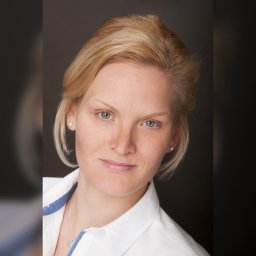
Dr Monica Berntsen
Co-founder & Chief Scientific Officer
A psychologist with a PhD in neuroscience, Monica brings clinical practice and neurophysiology research into Eir Tech’s product development.
Eir captures a consultation, organises it into a source-linked draft and keeps every clinical decision yours. Review it, sign it, export it to the record you already use.
One calendar month. No card. Synthetic data until your clinic's data agreement is in place.
Built by a psychologist, an engineer and a commercial lead. Meet the team
09:14 · Patient“My sleep has been broken most nights this week. I wake at four and can't settle.”
09:15 · Clinician“Any change in medication over the last month?”
09:15 · Patient“No, still on the same dose.”
Reported symptoms
Interrupted sleep over the past week with early waking at around 04:00. source 09:14
Medication
No change reported in the last month; dose unchanged. source 09:15
Risk
Not documented in this consultation.
Clinical assessment · you
Your formulation and plan go here. Eir never writes this section.
The source stays visible, the draft stays editable and the final decision stays yours. Nothing becomes part of the record until you sign it.
Open a new assessment session. Invite the patient to attend a consultation and complete a self-report symptom questionnaire. Missing answers are shown as missing, never guessed.
Adult ADHD intake · progress note · follow-up · referralRecord, dictate or type. One clear Start, Pause and Stop; a visible recording indicator; English (UK, US) and Norwegian. Interruptions recover without losing a segment.
Speaker uncertainty is shown, never inventedEvery generated sentence links back to its source segment or form answer. You edit, attest and sign. Export a PDF or structured text to your patient record; amendments create a new version.
Author, version and template provenance are storedIntake, informant input, interview and questionnaire scores assembled into one reviewable assessment report. Scores are shown as scores, not as a conclusion.
Session notes that separate what the patient reported from your formulation. Templates for progress notes and referral drafts, in your language and format.
Medication names, doses, units, negation and dates preserved exactly. Repeat measures shown with instrument version and date, never labelled as a treatment effect.
Not another feed. A verified network open to psychiatrists, psychologists, neurologists, therapists, occupational therapists and other registered clinicians in England, Norway and the USA. Ask questions without breaching confidentiality and reach colleagues for support, advice and referrals, with moderated rooms, fortnightly office hours and a specialist directory. Questions never contain patient records or identifiers.
How do colleagues structure an adult assessment when the informant is unavailable? Which instruments do you rely on in that case?
Moderated by a named clinical editor · 4 replies · sources cited
Next office hour
Documentation, workflow and responsible AI
Treatment teams
You invite the colleagues involved in a patient's care, and you confirm each of them before they see anything. Documents shared with the team are visible to its members only, never to anyone outside it, and views and downloads are logged with who and when.
How treatment teams workEir's main service is the journal note: from the consultation to a record you review and sign. EEG insights is a second, separate service that is still at the research stage. It never touches the clinical record and is never needed to write or sign a note.
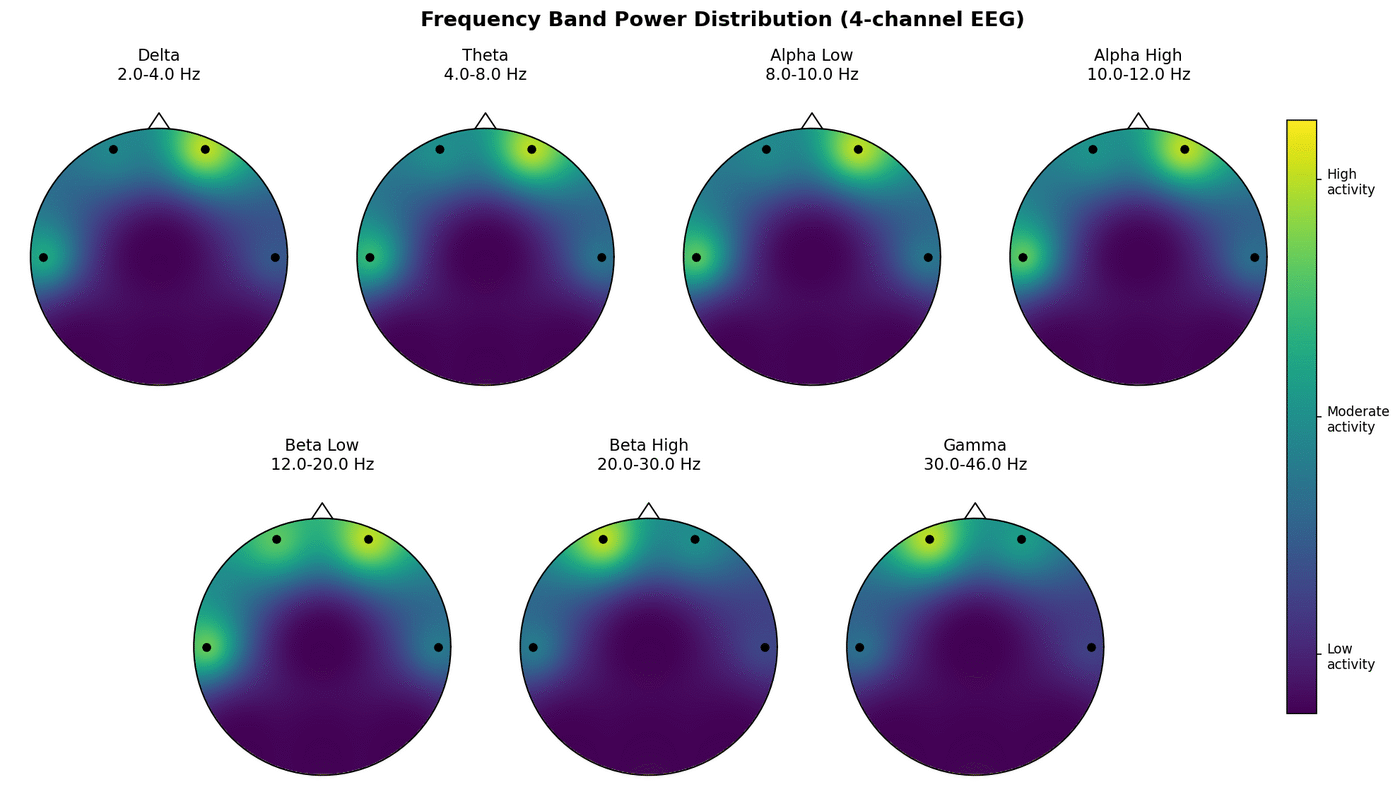
EEG insights is Eir's research programme on using EEG in psychiatric assessment. Our automated programme cleans, analyses and summarises a six-minute resting-state recording from a portable headband, so clinicians can use EEG alongside their usual assessment without specialist expertise. It draws on EEG markers already published in the literature. The programme does not diagnose. Our research asks whether these neurophysiological insights can make assessments more accurate and help inform decisions about diagnosis and treatment.
Phase 1 gathers feedback from psychiatrists and psychologists who try EEG insights in their own clinics: how a short resting recording fits their workflow, the signal quality, and how clear the report is. It is not a clinical study and makes no claim about diagnostic performance. Phase 2, a later clinical study, would only start with research ethics approval.

We publish what we can evidence and label what we cannot yet. No badge stands in for a document.
A plain list of every component that handles your data: hosting, database, backups, transcription, drafting and email. Legal entity, region, contract and retention for each come with the data-processing agreement. Read the data-flow inventory
Eir does not keep the audio after transcription. The transcript stays with the note as its source and is kept with each signed version, under your clinic's retention policy. Nothing is used for model training under that basis.
Every record belongs to the clinician who created it and is checked again on every access. Clinicians you invite to a patient's treatment team, and confirm, see that team's page only: the documents shared with the team and the patient's appointments and care pathway, never the rest of the record. Views and downloads are logged with who and when. One active session per clinician and rate-limited sign-in. Patients enter through expiring invitations, never an ID alone. Drafting, signing, amendments and exports are logged.
Eir drafts and organises. It does not diagnose, recommend treatment, score risk or triage. The research EEG module is separately governed and separately labelled.
Data-processing agreement, DPIA support pack, subprocessor list and a recording-objection script for patients, provided before any real-patient use.
A named person owns onboarding and unanswered questions. An incident contact, and a clear way to export your signed notes and close your account.
Short answers here, full documents on the Trust page. If an answer changes, it changes there first.
The documentation workflow (transcript and structured draft for your review) is not a medical device under the MHRA guidance on ambient voice technology of July 2026, because it derives no new information for your clinical decision. EEG insights, our research EEG service, is being developed as a separately governed module with its own regulatory route, and it never feeds the clinical note.
Eir sends the audio to the transcription provider and does not keep it afterwards. The transcript stays with the note as its source so you can check every sentence; the signed record is retained under your clinic's policy. Nothing is used to train models under that basis.
We provide a short script and a leaflet: what the tool does, that you review and edit the note, that the recording is not kept after transcription, and that they can say no. Typing and dictation remain available for that consultation.
Yes. Source and draft can be in Norwegian bokmål; the interface is English first. Today's templates are a general consultation and a psychiatry follow-up, and epikrise and henvisning formats are planned. Transcription quality varies between dialects, so check every draft against its source.
At any time. Every signed version exports as PDF or text, and a patient record exports as one text file of its signed notes. To close your account, write to us; no call is needed.
Eir is a clinical documentation workspace. Review and sign the note, then export it to your authorised patient record. It does not replace the record system or your clinical responsibilities.
Yes. Every generated note is a draft. Edit it against the source, add your assessment and sign only when you are satisfied. Corrections to signed notes create amendments while preserving earlier versions.
Your trial starts when you create an account, or when you start it explicitly if you already have one. It lasts one calendar month. No card is required and there is no automatic charge. You can still read and export saved notes after it ends.
Co-founder & Chief Scientific Officer
A psychologist with a PhD in neuroscience, Monica brings clinical practice and neurophysiology research into Eir Tech’s product development.

Co-founder & Chief Technology Officer
Håkon leads the engineering of Eir Tech’s clinical workspace, drawing on experience in software architecture, security and applied AI.

Co-founder & Chief Executive Officer
Ignacio leads strategy and partnerships. He has 20+ years in corporate strategy, investment banking and law at Credit Suisse, HSBC and Freshfields, and has worked with early-stage start-ups and open-source communities.
Start with a synthetic consultation today. Real-patient use begins only after your clinic's data agreement, configuration and access checks are complete.